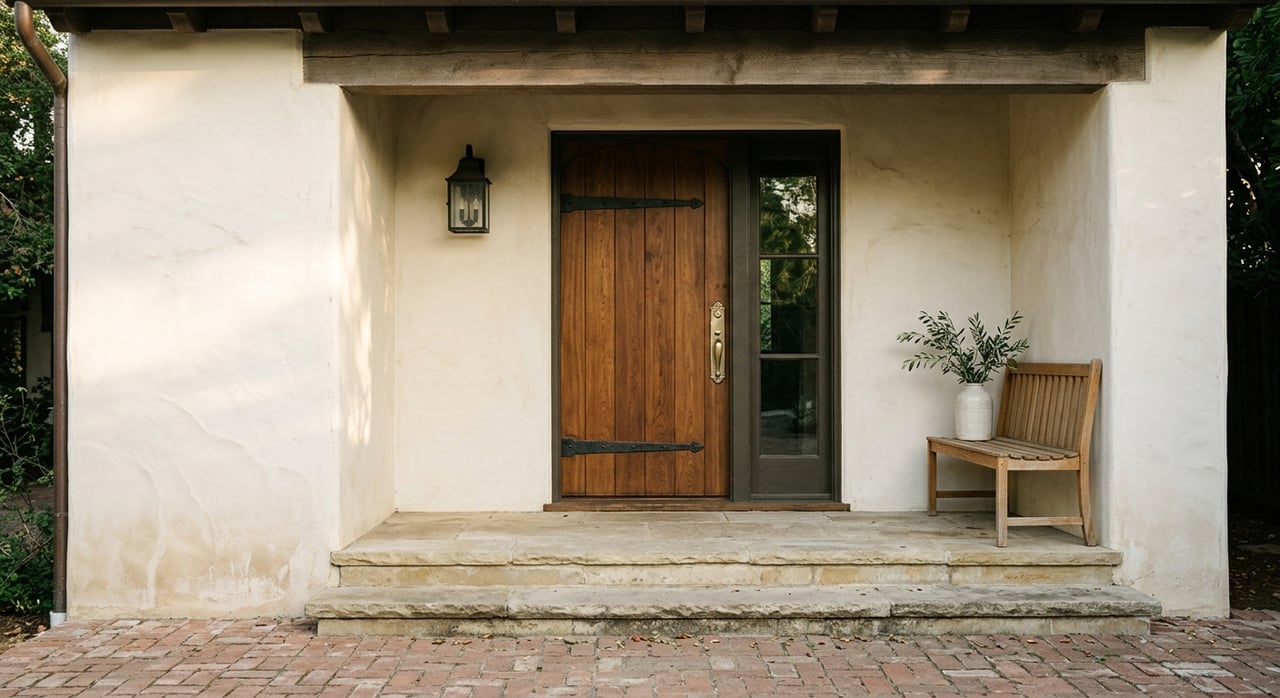
If you own a historic home in Mariposa, you are not just selling square footage. You are selling context, character, and a sense of place that many buyers cannot find anywhere else. That can feel exciting and a little tricky at the same time, especially when you want your home to look polished without losing what makes it special. The good news is that the right staging and storytelling approach can help buyers connect with both the home and its setting. Let’s dive in.
Why story matters in Mariposa
Mariposa has a built-in narrative that few markets can match. Mariposa County describes the region as a place shaped by Native histories, Gold Rush settlement, Yosemite, and tourism, with the town of Mariposa founded in 1850 after the Gold Rush.
That local context matters because buyers are often responding to more than the house itself. In Mariposa, they may also be responding to the appeal of a preserved Gold Rush town, the rhythm of Main Street, and the area’s role as a gateway to Yosemite along Highway 140.
County planning documents go a step further and connect historic scenery and local history to economic development and visitor expectations. In simple terms, Mariposa’s identity is part of its value, so your marketing should help buyers see how your home fits into that bigger picture.
Focus on continuity, not just age
One of the easiest mistakes in marketing a historic property is leaning too hard on old age alone. Age can be interesting, but what buyers usually connect with is continuity: a home that carries its past forward while still working for modern life.
That is especially true in Mariposa, where many 19th-century structures remain in use and landmarks like the courthouse, old stone jail, Mariposa Museum & History Center, and the California State Mining and Mineral Museum help reinforce the town’s sense of continuity. A strong listing story often blends heritage, setting, and livability.
Instead of treating your home like a museum piece, frame it as a living part of Mariposa. Show how original details, thoughtful updates, and everyday comfort come together in a way that feels authentic.
Start with the features buyers notice first
Staging works because it helps buyers imagine the home as their own. In the National Association of Realtors 2025 Profile of Home Staging, 83 percent of buyers’ agents said staging made it easier for buyers to visualize a property as a future home.
The rooms most often staged were the living room, primary bedroom, and dining room. For a historic home in Mariposa, those spaces often do the heavy lifting because they tend to contain the clearest architectural cues and the strongest emotional appeal.
You do not need to stage every inch of the home at the same level. Start with the rooms that tell the story fastest and photograph best.
Priority spaces to stage
- Living room
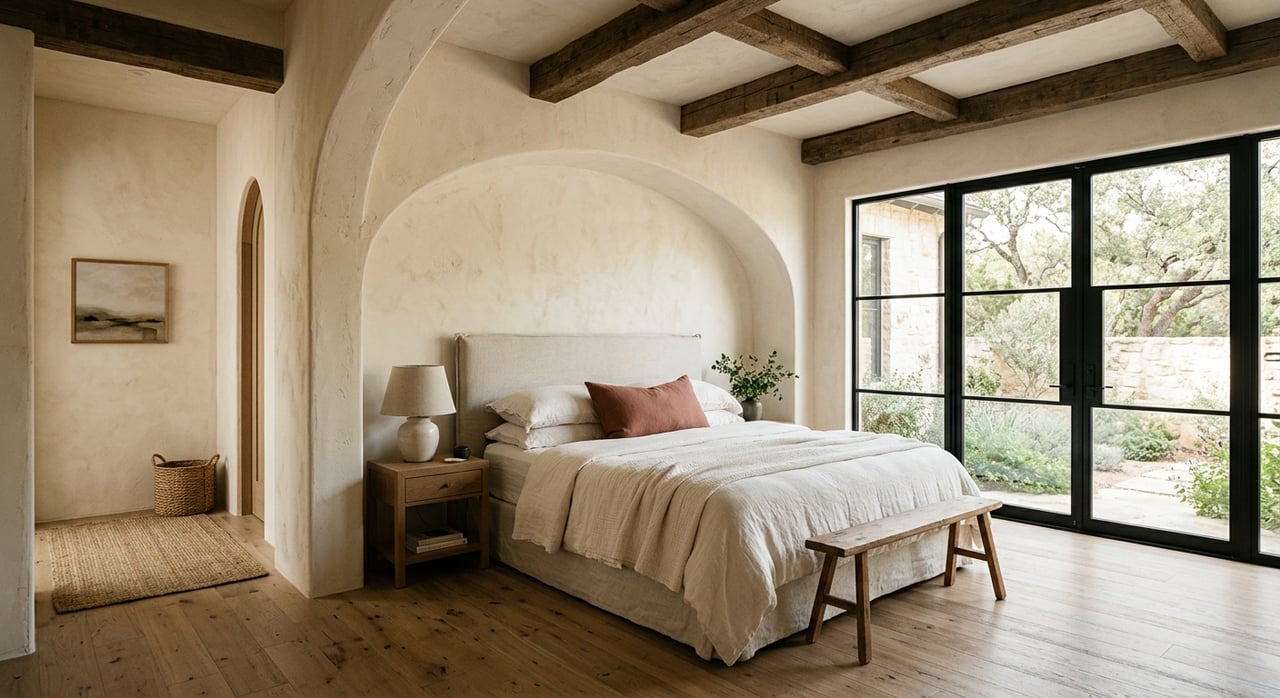
- Primary bedroom
- Dining room
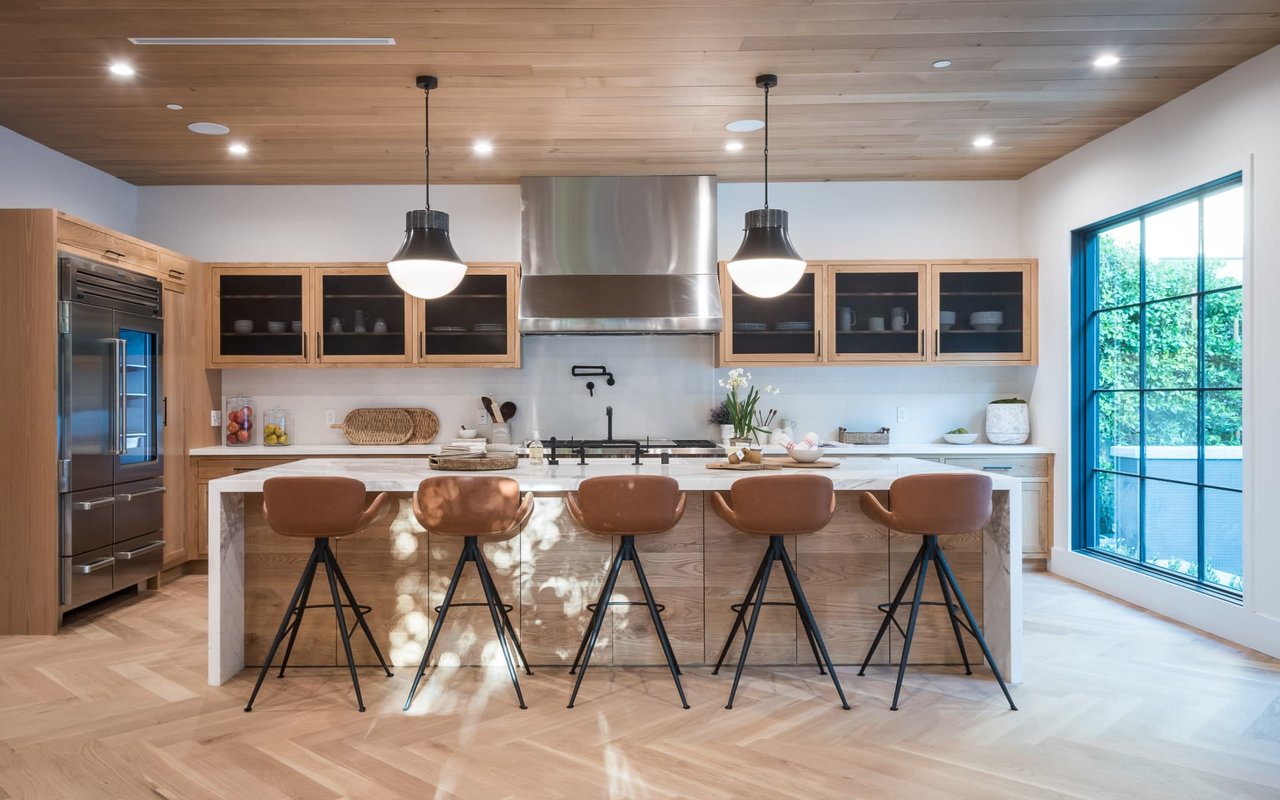
- Kitchen
- Front approach and porch
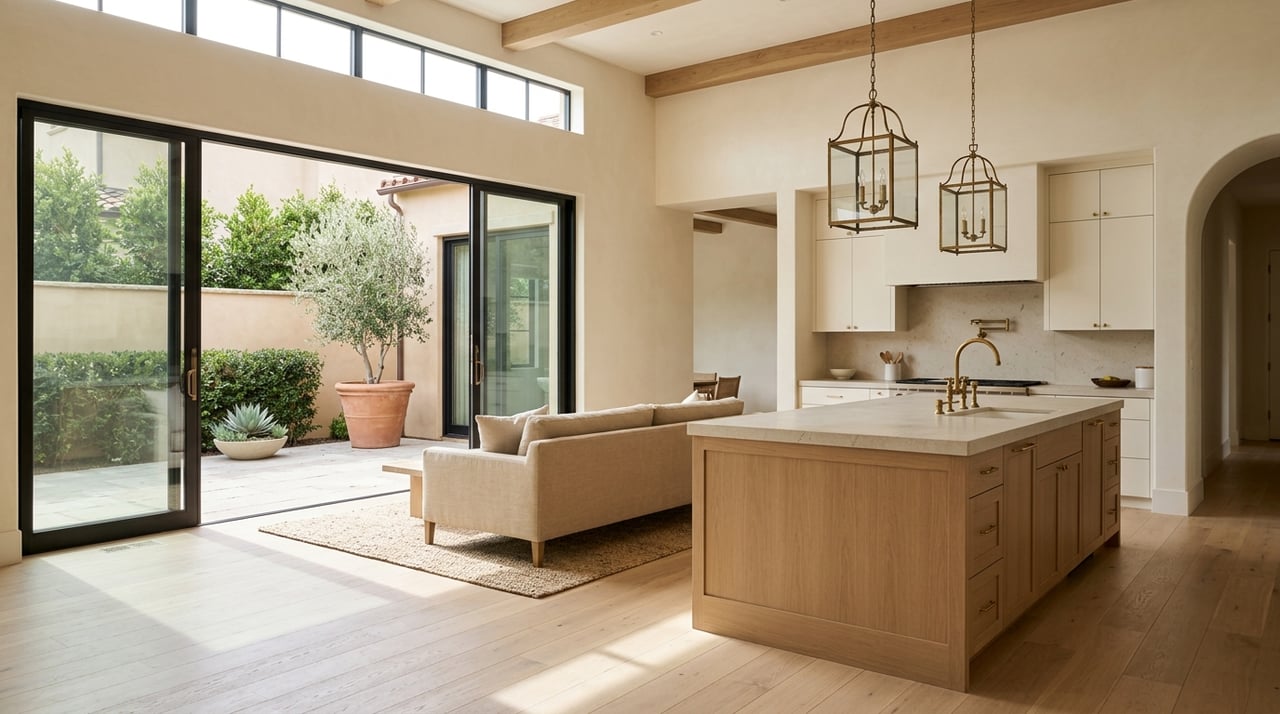
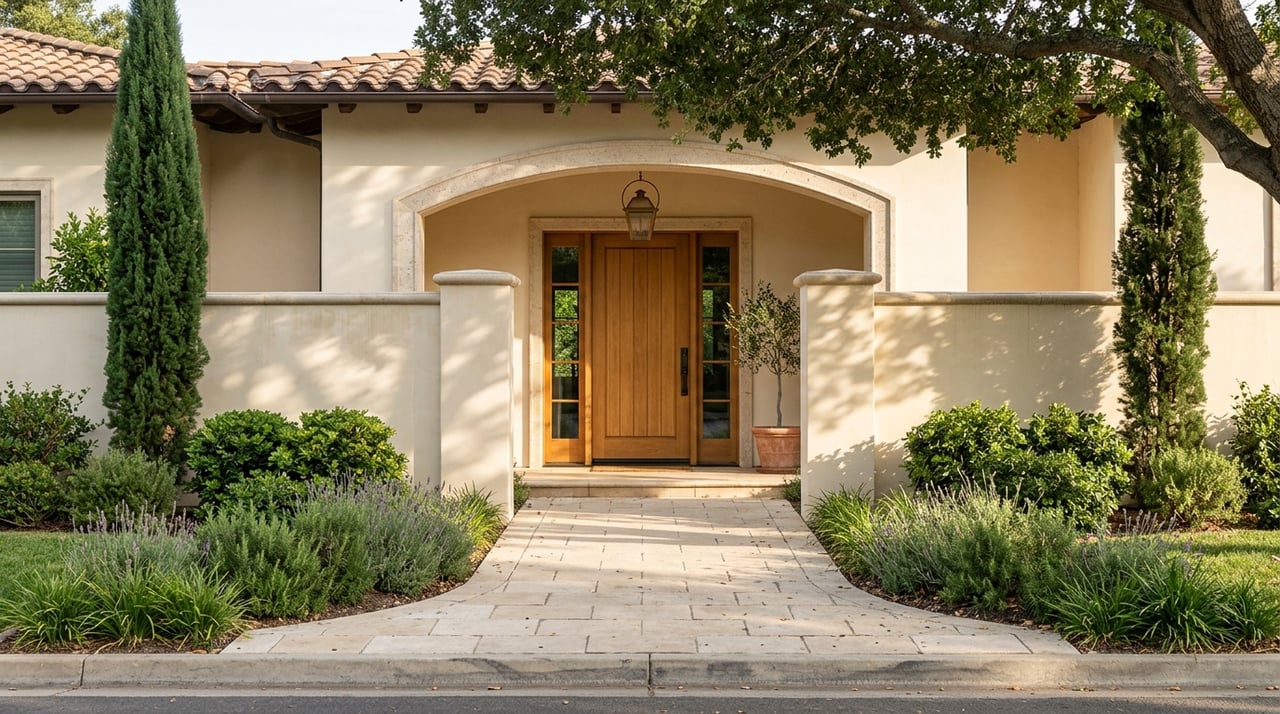
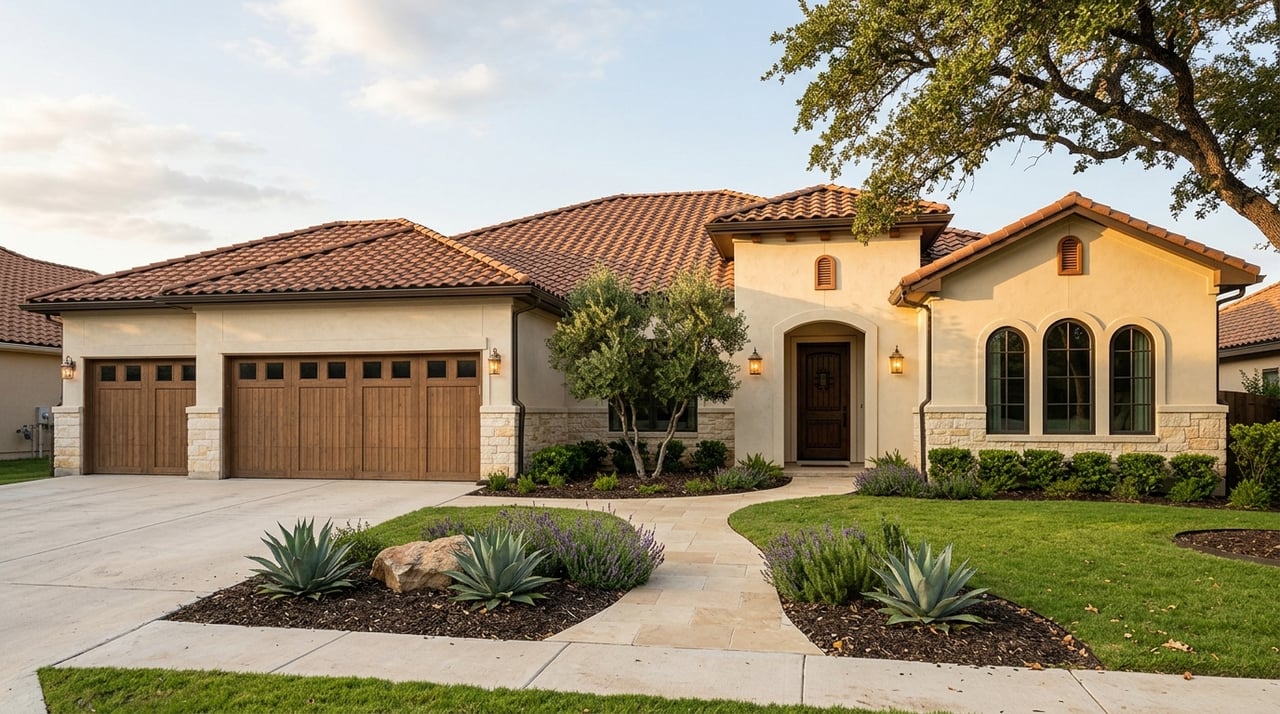
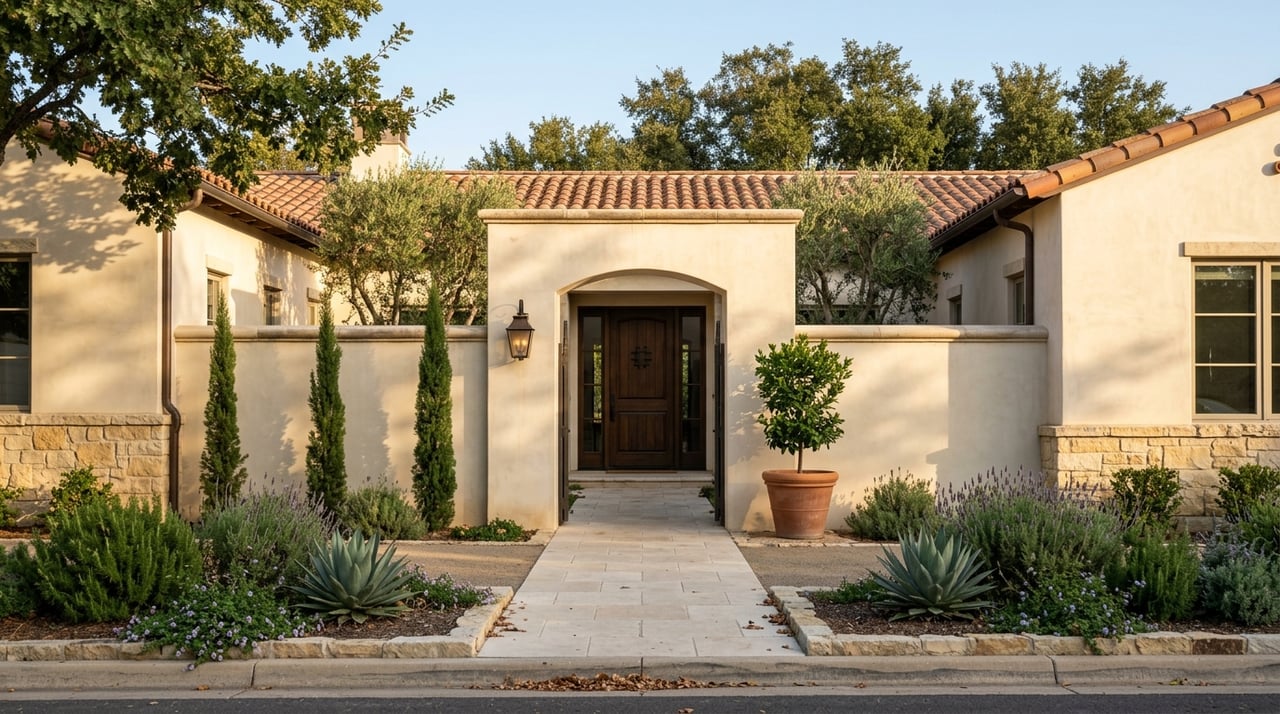
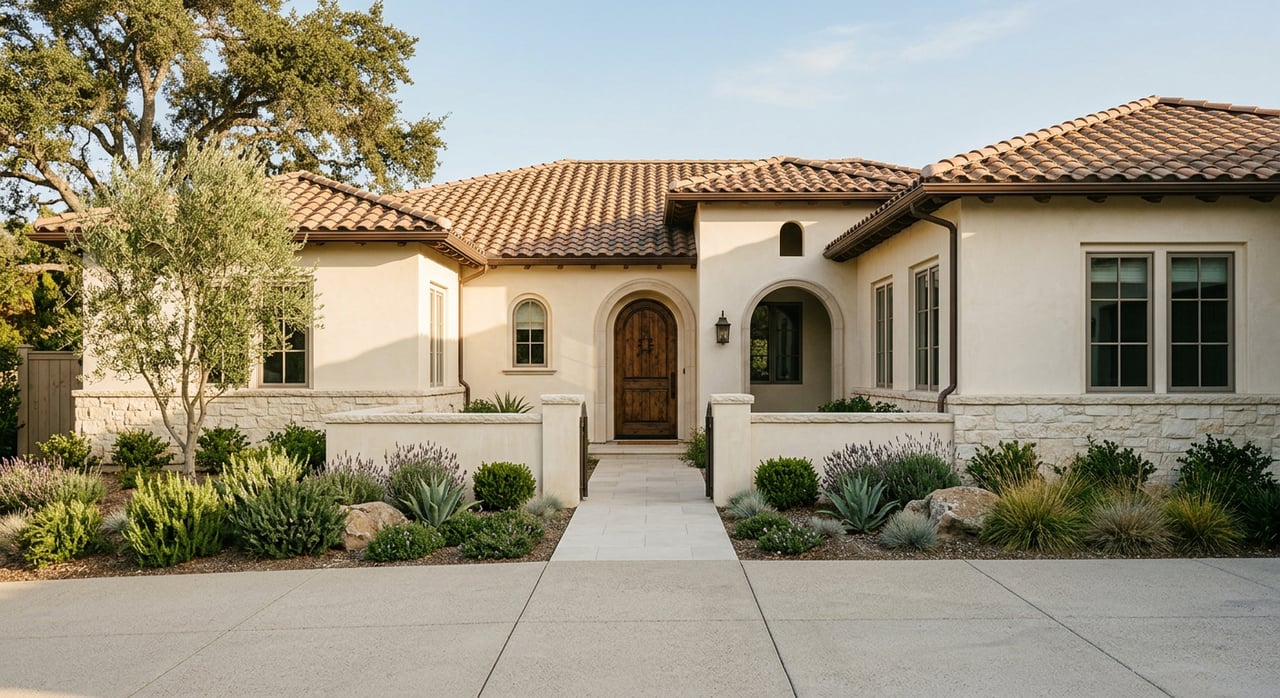
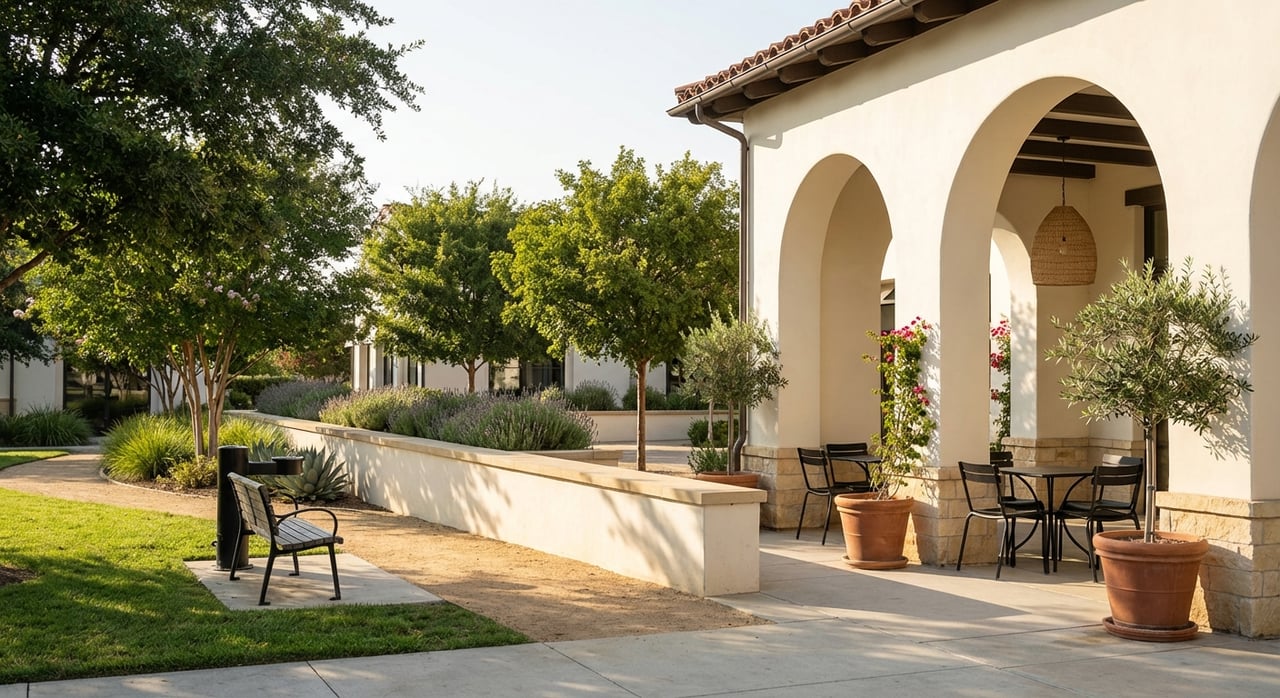
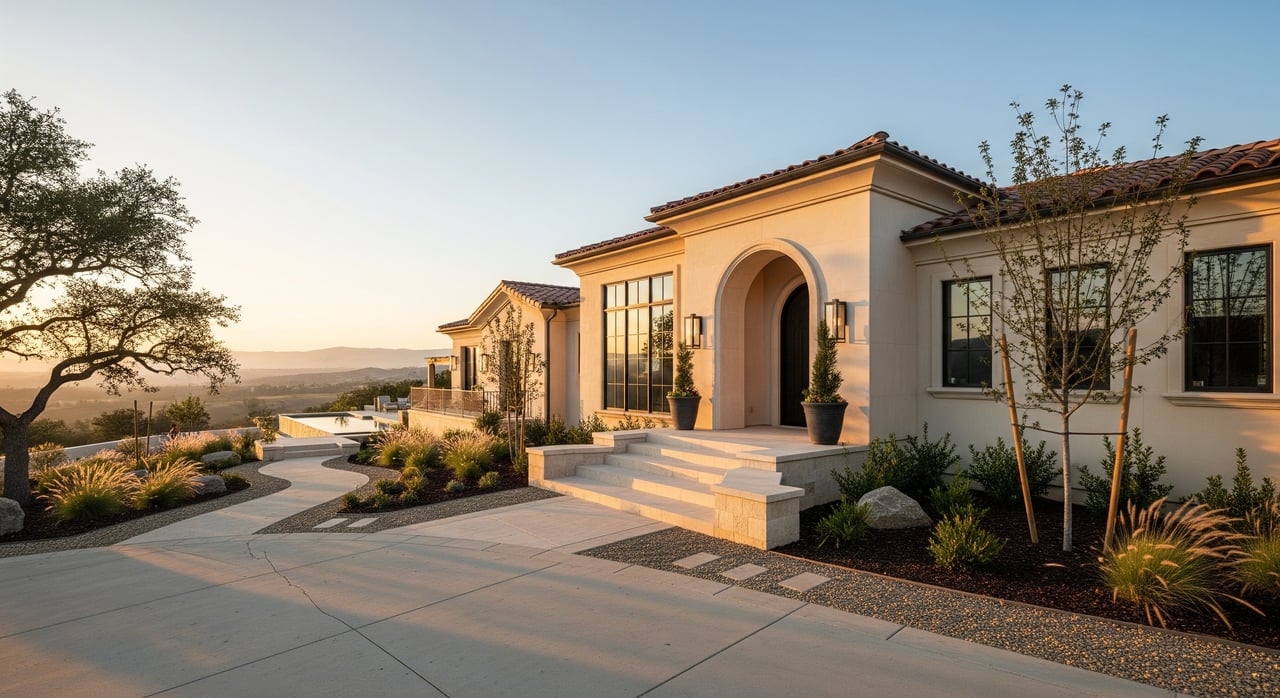
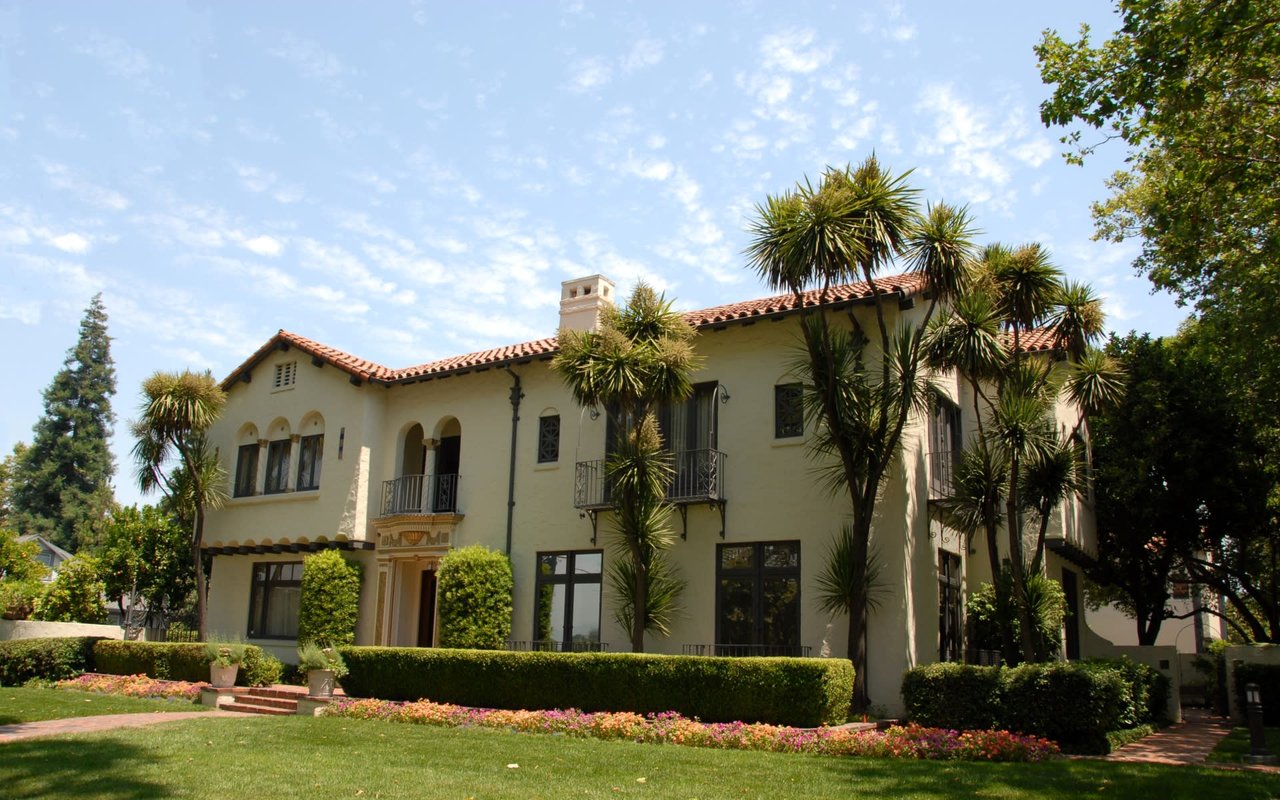
For many Mariposa homes, the front approach matters more than sellers expect. Buyers are not only evaluating the house. They are also taking in the porch, the exterior materials, the street setting, and how the home sits within the landscape.
Let original details lead
Historic homes usually shine when the staging is restrained. The goal is to reduce visual noise so the home’s real character can do the work.
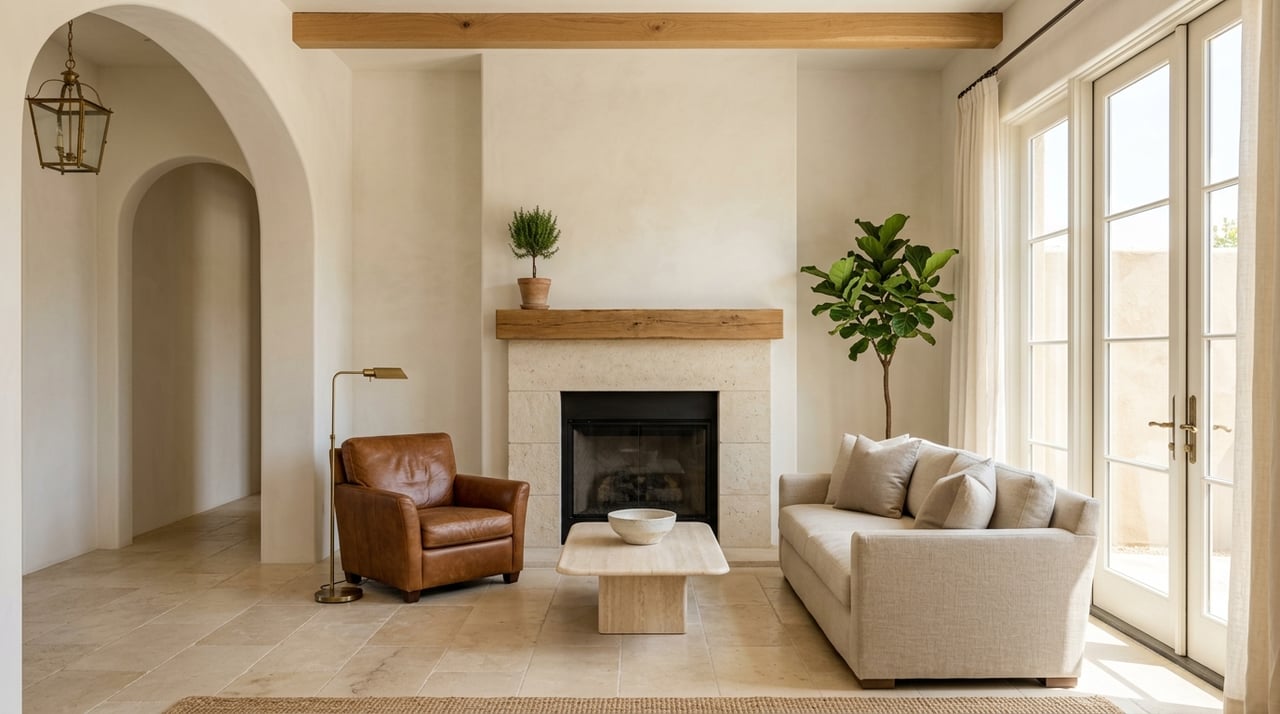
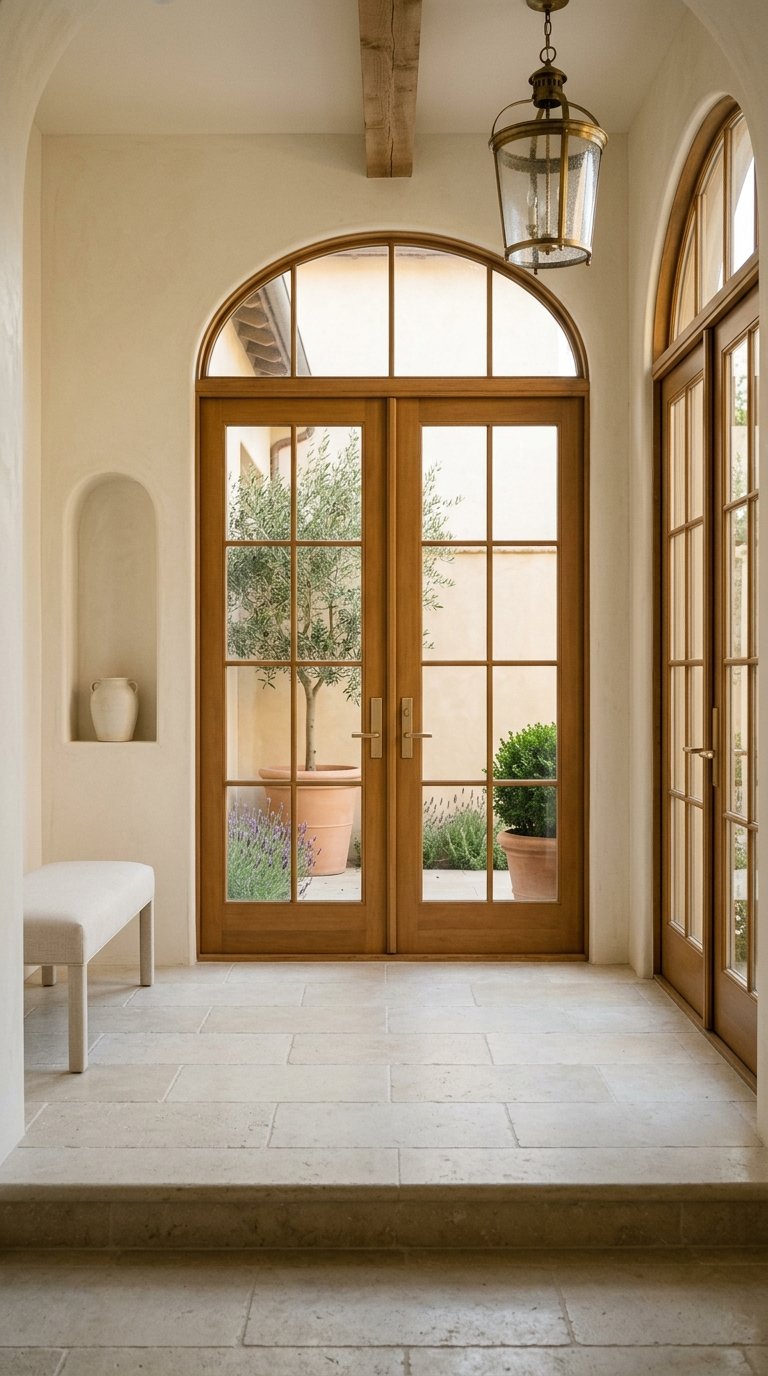
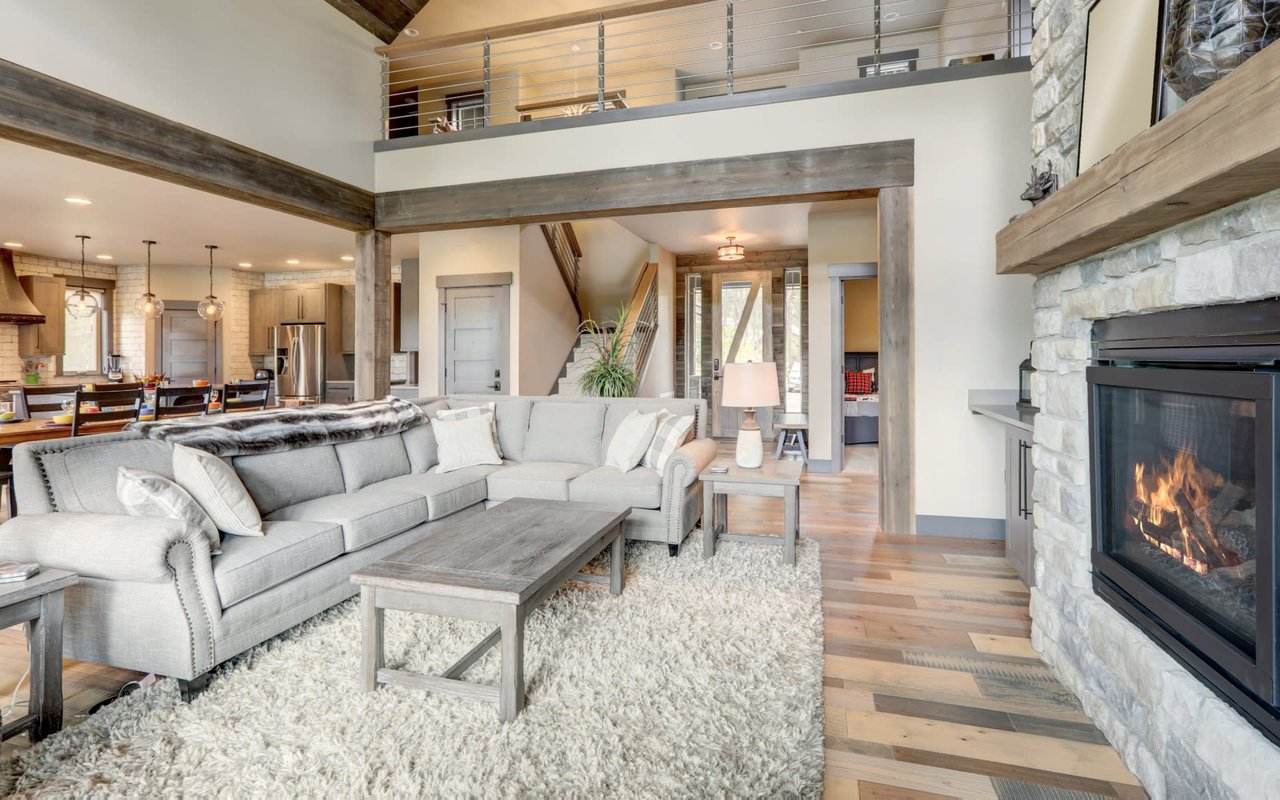
That may mean drawing attention to woodwork, masonry, built-ins, fireplaces, porches, and period doors or windows. Keep furnishings simple, scaled to the room, and supportive rather than distracting.
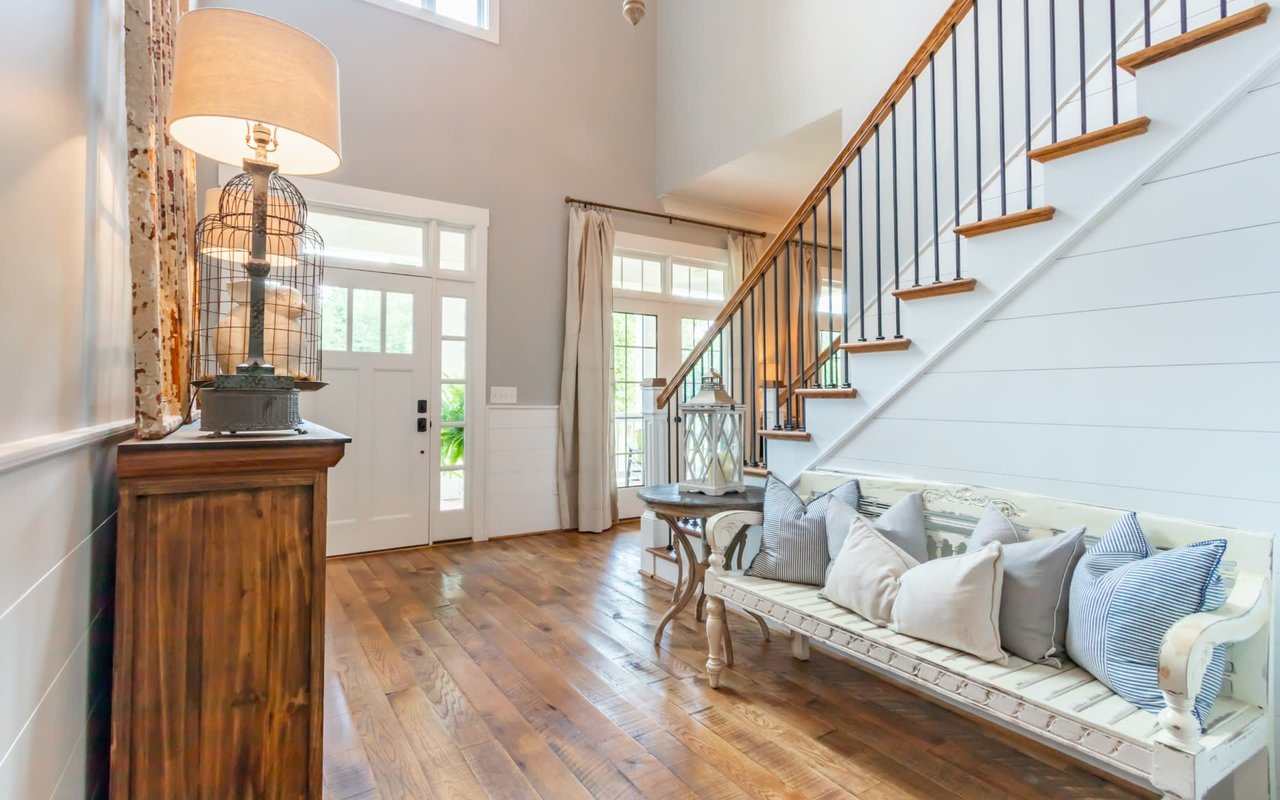
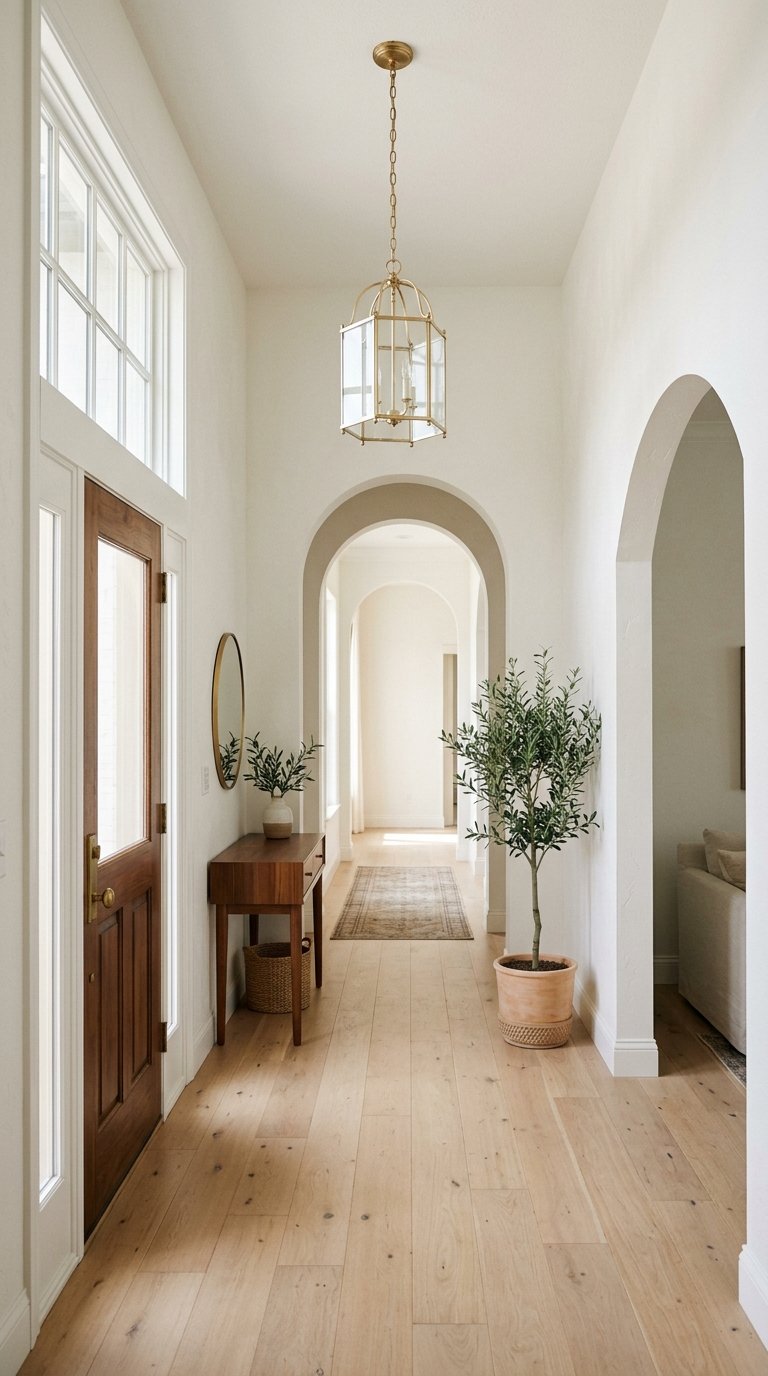
If a room has beautiful trim or an original hearth, do not crowd it with too many accessories. If a hallway has a great line of sight to a period door or transom, let that view stay open.
Simple staging choices that help
- Remove bulky or mismatched furniture
- Edit down collections and decor
- Use neutral, warm-toned textiles
- Keep tabletops mostly clear
- Let windows bring in natural light
- Highlight one architectural focal point per room
This approach fits both the home and the market. Buyers often expect homes to look like TV-staged spaces, yet many are disappointed when a property feels overproduced or different in person. For a historic Mariposa listing, polished but honest usually performs better than theatrical.
Improve curb appeal with local context in mind
For sellers, some of the most common staging recommendations are decluttering, cleaning the entire home, and improving curb appeal. Those basics matter even more with a historic property, where first impressions often shape the entire showing.
Mariposa County’s guidance for historic paint can also be useful. The county says the base color should generally be a light warm tone, with trim colors that are brighter or darker while still complementing the building’s architectural features.
That does not mean every historic home should look the same. It does mean that if you are considering exterior paint or visible improvements, warm, complementary tones often support the character buyers expect to see.
Exterior details worth attention
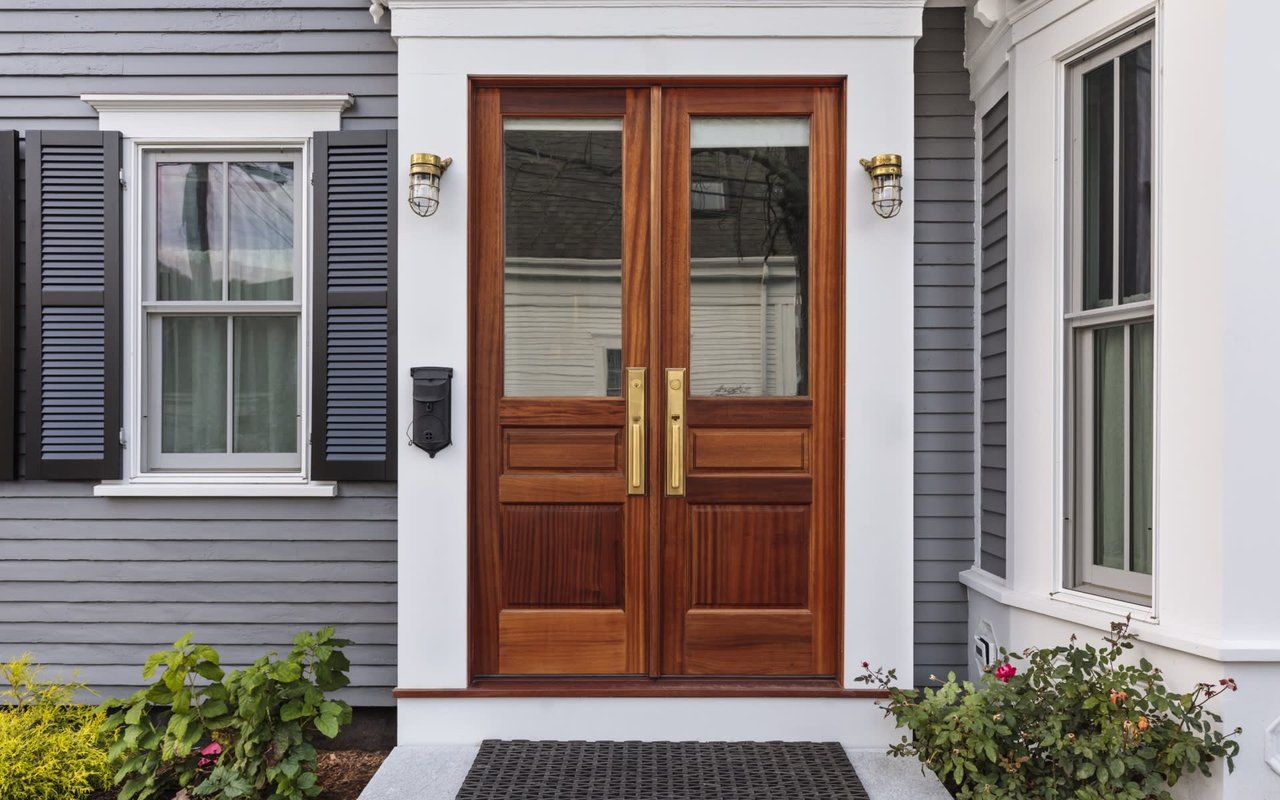
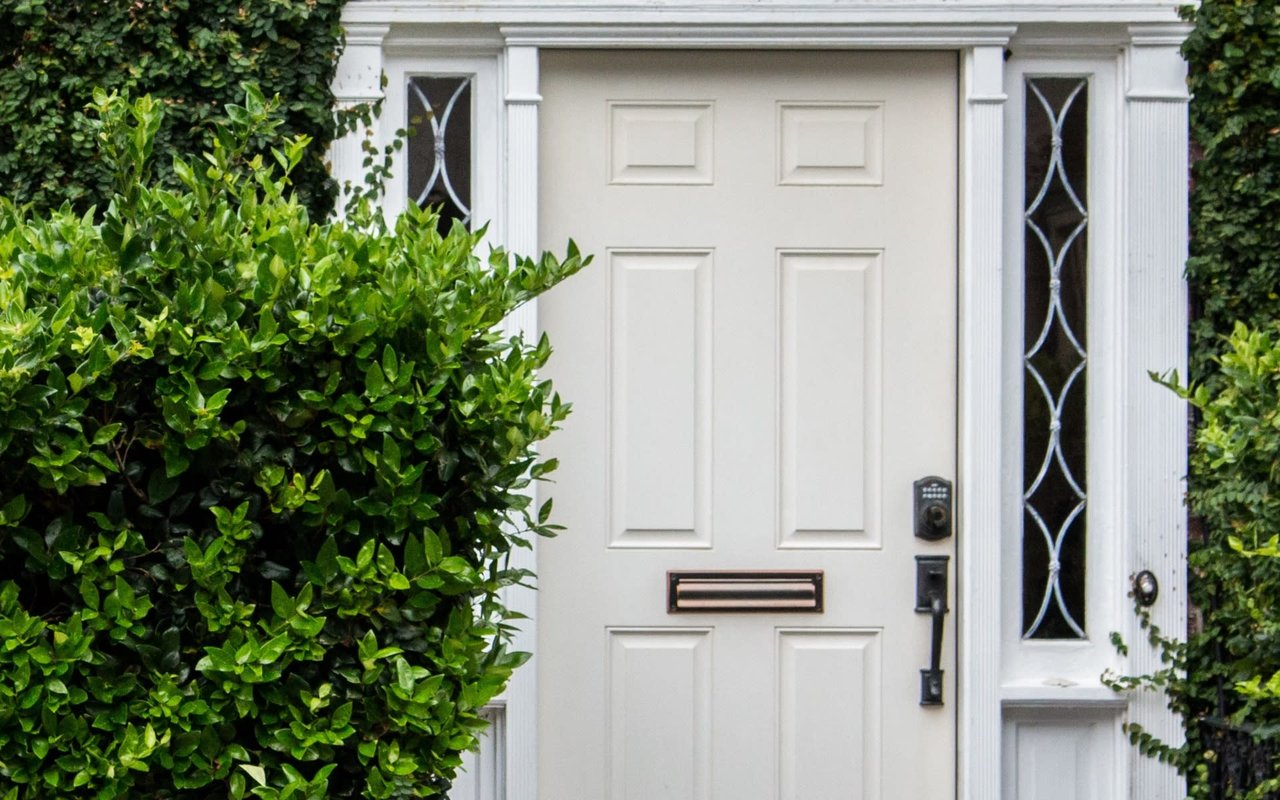
- Front door and hardware
- Porch seating and lighting
- Trim condition
- Visible masonry or stonework
- Pathways and entry sequence
- Landscaping cleanup
- Exterior clutter removal
In Mariposa, exterior presentation is not just about neatness. It is part of the property story, especially in areas where historic character and scenery are central to how buyers experience the town.
Know if design review affects your plans
Before you make exterior changes, it is smart to confirm whether the property is in the Historic Design Review Overlay, also called the HDRO. Mariposa County established this overlay to preserve the unique historic character of Mariposa and Coulterville and to support tourism, economic vitality, and property values.
If your property is in the HDRO, exterior changes or improvements require a Historic Design Review Application and review by the Historic Sites and Records Preservation Commission. County materials say that no residential, commercial, or industrial use, no development, no exterior advertising display, and no building or grading permit may proceed until design review is approved.
The application may cover items such as elevations, materials, exterior colors, roof design, windows and doors, signs, lighting, and other exterior details. For sellers, that means even seemingly simple curb-appeal projects may need lead time.
Timing matters
County guidance says the commission meets on the second Monday of each month, and applications need to be submitted at least two weeks before the meeting. If you are planning to paint, update exterior lighting, add signage, or make visible repairs before listing, that schedule should be part of your timeline.
The county’s general plan also notes that unless a single-family dwelling is located within a historic district, no design review is required for it. So some homes will have more flexibility than others. The key is to check first rather than assume.
Use photography to show the whole setting
Photos and videos are no longer optional marketing extras. NAR found that photos were highly important to 88 percent of sellers’ agents’ clients, and videos mattered to 47 percent.
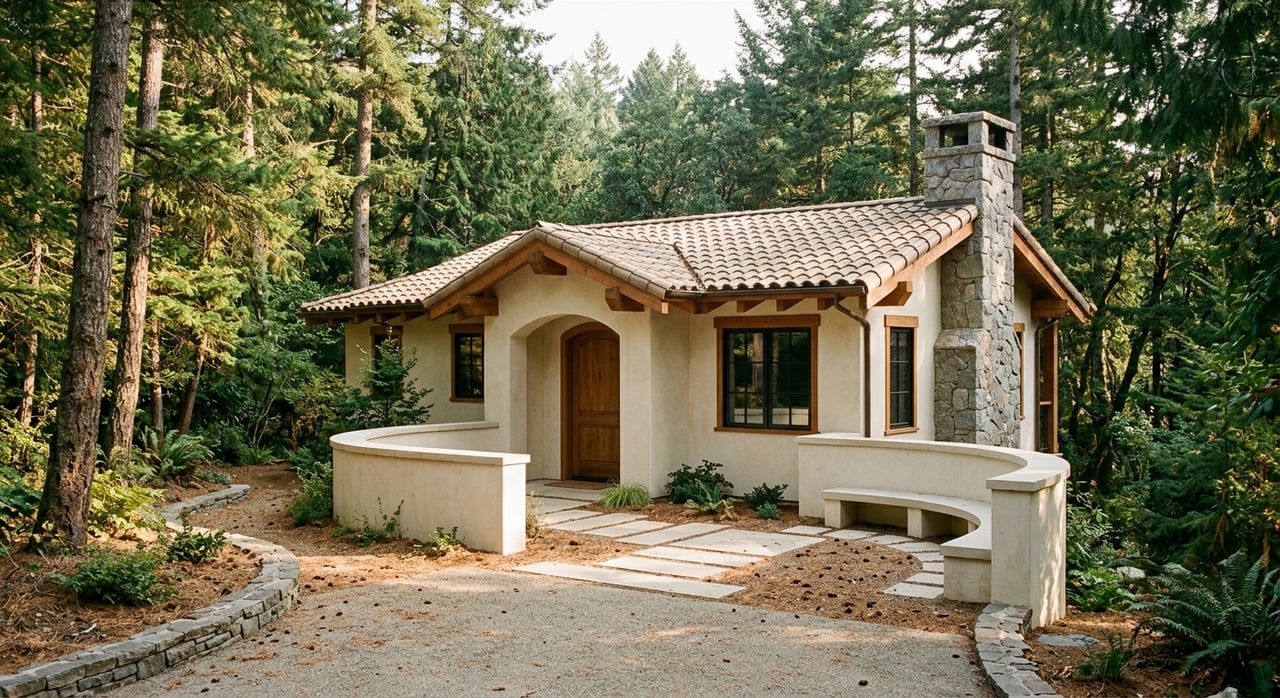
For a historic home in Mariposa, the visual package should do more than document rooms. It should place the home within its surroundings and show how the property connects to the town, the street, the views, and the landscape.
That is where storytelling and professional production work together. Wide exterior shots, porch vignettes, detail images, and carefully sequenced interior photos can help buyers understand not just what the home looks like, but what it feels like to arrive, enter, and live there.
What to capture in the photo story
- Front elevation and approach
- Porch or outdoor sitting areas
- Living room focal points
- Original materials and craftsmanship
- Kitchen and dining flow
- Primary bedroom calm and scale
- Street or landscape context
This kind of sequencing is especially helpful for out-of-area buyers who may be discovering Mariposa as both a home market and a Yosemite gateway.
Keep digital edits honest
California now has clearer rules around digitally altered listing images. Under AB 723 and Business and Professions Code section 10140.8, a broker or salesperson who uses a digitally altered image in advertising for the sale of real property must include a conspicuous disclosure, along with a way to access the original unaltered image.
The California Department of Real Estate also advises that AI-assisted marketing does not reduce the duty to verify facts, avoid misleading advertising, and comply with fair housing and disclosure rules. In practice, that means edits should enhance presentation, not invent a different property.
Light correction, strong composition, and clean image sequencing are fine. But changing views, removing meaningful defects, or altering historic features can create problems and weaken trust.
Write a listing story buyers can believe
The strongest listing copy for a historic Mariposa home is specific, grounded, and visual. It does not overreach. It helps buyers connect the home’s details to the larger Mariposa experience.
A useful story structure often includes three parts:
- Setting: where the home sits within Mariposa’s historic and scenic context
- Character: what original or lasting features make the property memorable
- Livability: how the home supports daily life today
That might include Gold Rush continuity, downtown context, Yosemite access, or the way a home has been adapted for current use. The point is not to force a theme. The point is to tell the truth well.
Budget wisely and keep the plan focused
If you are wondering how much staging might cost, NAR reported a median spend of $1,500 on a staging service. That number can help you set expectations, but the bigger takeaway is that strategic staging does not have to mean a full redesign.
For many historic homes, the smartest investment is selective. Clean thoroughly, declutter hard, improve the key rooms, refine the exterior, and create a media package that respects the home’s character.
A focused plan often outperforms a bigger, less thoughtful one. In a market like Mariposa, buyers are often looking for authenticity, setting, and emotional connection as much as finish level.
Why this approach works
Mariposa buyers are often choosing a lifestyle as much as a property. They may be drawn to heritage architecture, mountain-town atmosphere, Yosemite access, or the appeal of a home with a story.
That is why staging and storytelling work best when they support each other. Staging helps buyers see the home clearly. Storytelling helps them understand why it matters.
If you are preparing to sell a historic home in Mariposa, the right plan is rarely about making it look newer. It is about helping buyers see its character, context, and livability with confidence.
When you are ready to position your home with thoughtful staging, professional media, and a story that fits the Mariposa market, connect with Zoe Alexander.
FAQs
What does staging a historic home in Mariposa actually mean?
- It usually means cleaning, decluttering, improving curb appeal, and arranging key rooms so original details like woodwork, fireplaces, porches, and built-ins stand out without making the home feel overdone.
What rooms should sellers stage first in a Mariposa historic home?
- Start with the living room, primary bedroom, dining room, kitchen, and front approach, since these spaces often carry the strongest visual story for buyers and listing photos.
What is the Historic Design Review Overlay in Mariposa?
- The Historic Design Review Overlay is a county preservation district for places like Mariposa and Coulterville where exterior changes and some permits may require review to protect historic character.
Do all single-family homes in Mariposa need historic design review?
- No. County planning documents say a single-family dwelling generally does not need design review unless it is located within a historic district, though other overlays can still matter.
Can digitally altered listing photos be used for a Mariposa home sale?
- Yes, but California requires clear disclosure when advertising includes digitally altered images, and the original unaltered image must also be available as required by state law.
Why does storytelling matter when selling a historic home in Mariposa?
- Storytelling helps buyers connect the home to Mariposa’s larger context, including its Gold Rush continuity, preserved downtown character, scenic setting, and role as a Yosemite gateway.